Why this exists
Some of the best learning experiences students have — inside and outside school — don't get the recognition or the framework they deserve. This site is an attempt to change that.
Learning that can be designed, replicated, and improved
A student becomes Julia Child for a day and teaches strangers about her. A team of young people designs a solution to hunger in their community and pitches it to real stakeholders. A student sits with his dad and a family friend and, for the first time, tells the story of what shaped him in his formative years.
These experiences are not accidents. They can be designed, replicated, and improved.
That's what this site is for. It's a resource for the educators and program leaders who want to create more moments like these — in classrooms, after-school programs, camps, leadership organizations, and anywhere young people learn and grow. For the parents and mentors who want to create them outside of school. For the students who are ready to take on something real.
The underlying framework is design thinking — a human-centered, iterative approach to problem-solving that has transformed how organizations innovate. But the headline here isn't design thinking. The headline is memorable, meaningful learning. The kind that students carry with them for the rest of their lives.
And the key insight — the one that runs through every project on this site — is this: the best learning experiences end with the student going public. Teaching someone. Presenting to a real audience. Performing for strangers. That last step is what makes the learning permanent.
The mission
Create more learning experiences that students remember — and grow from — for the rest of their lives.
The key insight
The best projects don't end when you hand them in. They end when you teach someone else.
The method
Design thinking: human-centered, challenge-based, iterative learning that leads to something real.
Why you can trust the frameworks on this site
In 2008, Darin Eich published "A Grounded Theory of High Quality Leadership Programs" in the Journal of Leadership and Organizational Studies. The study has been cited more than 500 times. It identified the essential conditions that make learning and leadership programs actually work — the ones where participants grow, not just attend.
The research found three foundational elements: student-centered experiential learning, the building of a genuine learning community, and structured reflection as the mechanism that turns experience into growth. Every project on this site is designed around all three.
This isn't a site of activities someone found on Pinterest. It's built from peer-reviewed research, tested over two decades of practice with real learners across hundreds of organizations — from Fortune 500 companies to university campuses to high school classrooms.
Experiential Learning
Students learn by doing, not by watching. The challenge is real. The making is owned.
Learning Community
The best programs build genuine community. Collaboration and going public are features, not add-ons.
Structured Reflection
Reflection converts experience into learning. Without it, even great experiences fade quickly.
20+ years of making innovation real for learners
Darin Eich, Ph.D. has spent more than two decades designing and facilitating innovation programs — for Fortune 500 companies, universities including Dartmouth, Oxford, and UC San Diego, and high school students across the country.
He holds a Ph.D. in Educational Leadership from the University of Wisconsin and is the founder of InnovationTraining.org, a resource hub for design thinking and innovation learning.
His 2008 research — a grounded theory of high-quality leadership programs, published in the Journal of Leadership and Organizational Studies and cited 500+ times — forms the academic foundation for the frameworks on this site. The research identified what actually distinguishes programs that produce real growth from those that don't. That distinction shapes everything here.
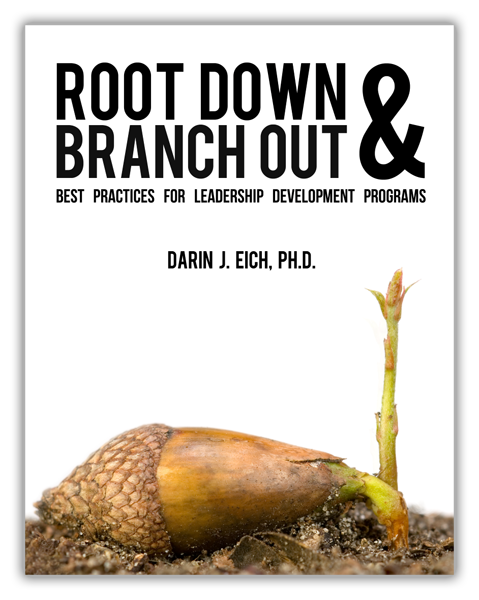
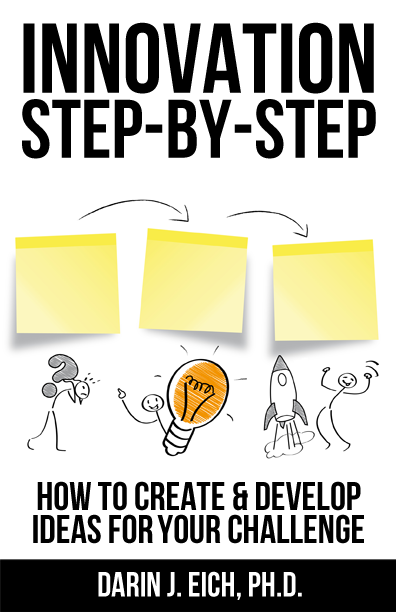
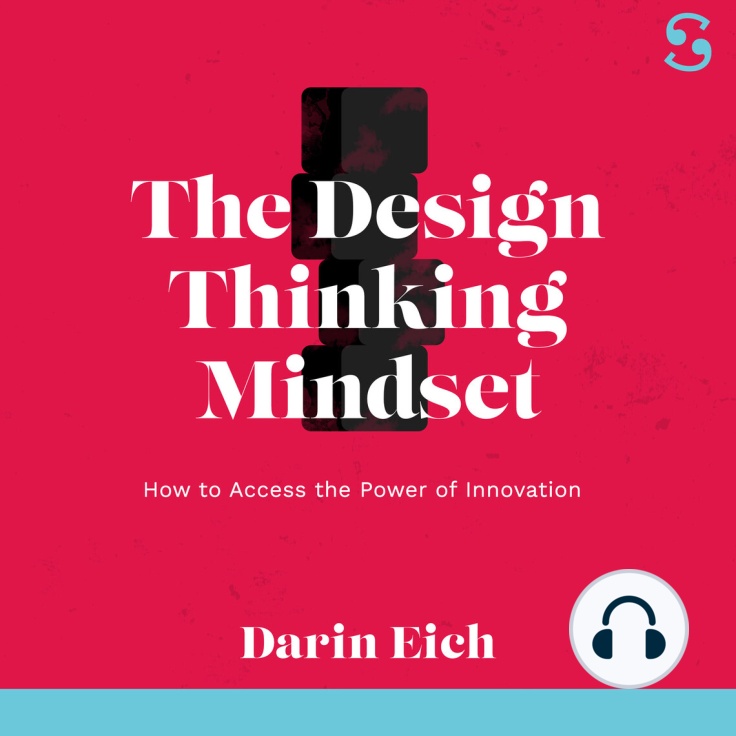
He is the author of three books including Innovation Step-by-Step and The Design Thinking Mindset.
This site draws on that research and practice to create a free, open resource for anyone designing learning experiences for young people.

Where to go next
This site connects to a broader ecosystem of free resources on design thinking, innovation, and learning program design.
InnovationTraining.org
A deep library of free articles, frameworks, and tools on design thinking and innovation — for educators, facilitators, and program designers at any level.
innovationtraining.org →Innovation Courses Online
Self-paced online courses on innovation, design thinking, facilitation, and creative problem-solving. For educators, professionals, and students who want to go deeper on their own timeline.
learn.innovationcourses.org →DarinEich.com
Darin's personal site — biography, speaking, books, and the full story of his work across two decades of designing innovation programs.
darineich.com →Questions, ideas, or resources to share?
If you've used any of the projects here, adapted them, or built something similar — we'd love to hear about it. If you're looking for resources and can't find what you need, reach out and we may be able to point you somewhere useful.
This site is a resource, not a service. But connections are welcome.
Self-paced courses on design thinking, innovation, and facilitation.